
Why "yes, and" fails as a rule and works as a habit
The most-quoted principle in improvisation is also the most misapplied. What it is actually describing, and how to build it without ever saying it.
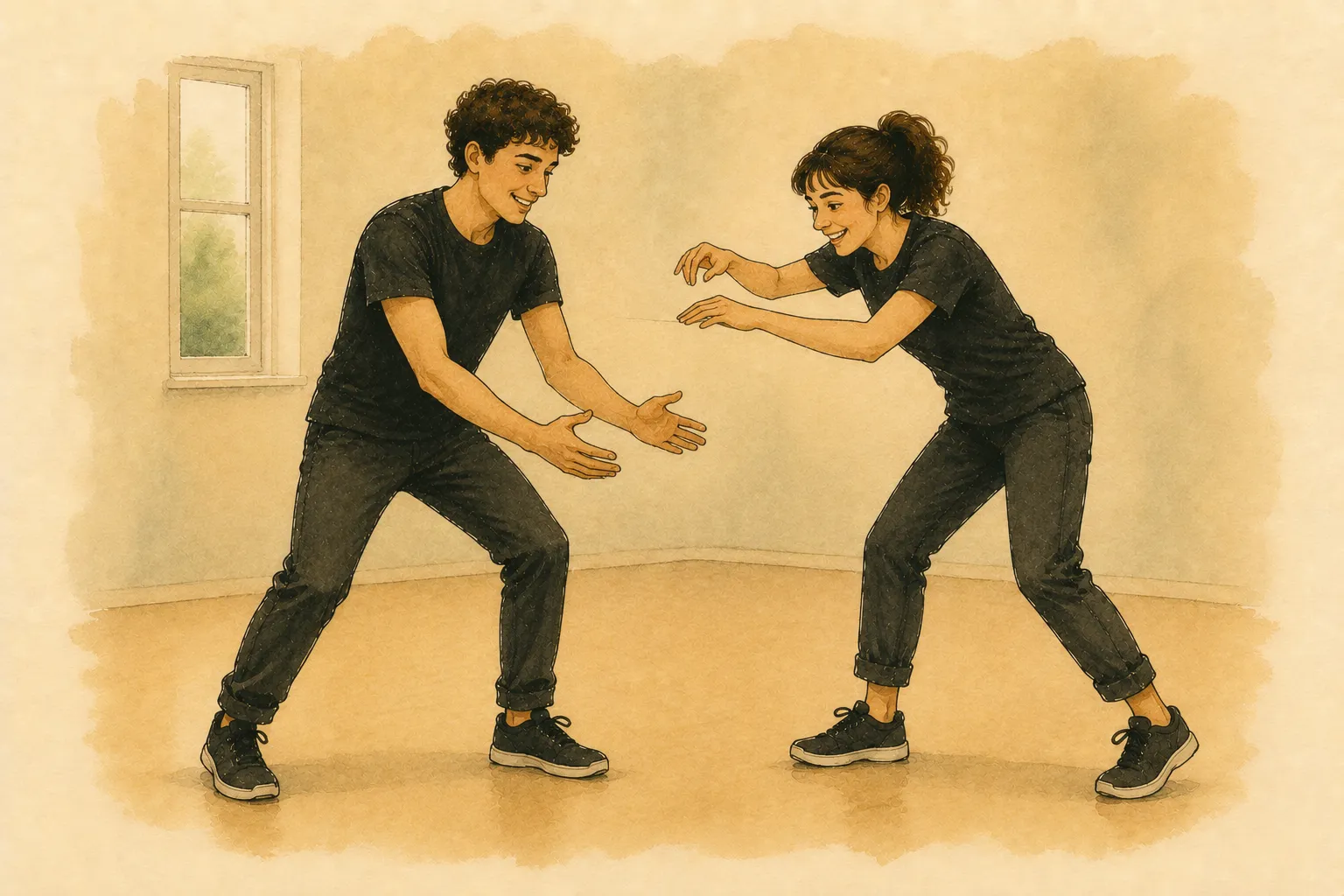
“Yes, and” is the most quoted phrase in improvisation and the one most often taught as a rule. Taught that way it produces a specific, recognisable failure: students who accept everything, agree with everything, and generate scenes in which nothing is at stake.
The principle is right. The instruction is the problem.
What it is actually describing
Not agreement. Acceptance of the fiction, which is a different thing.
If somebody says “you’ve been drinking again”, the improvisational yes is that the fiction now contains a history of drinking. It is not that the character agrees, apologises, or accepts the accusation. A character who denies it furiously has accepted the offer completely — the denial only works because the history exists.
Students taught “yes, and” as a rule miss this almost universally. They hear it as “be agreeable”, and agreeable characters produce scenes where two people are pleasant to each other for ninety seconds.
Why the rule form fails
It makes conflict feel forbidden. Every scene needs somebody to want something they are not getting. A class that believes disagreement is against the rules cannot build one.
It is compliable-with. A student can say the word “yes” and add a sentence without accepting anything. It looks correct, satisfies the instruction, and trains nothing.
It moves attention to the rule. A student checking whether they are yes-anding is a student watching themselves, which is the same failure as every other instruction pointed inward.
Building the habit without the phrase
Make acceptance the only available move. An exercise where the previous line’s content must appear in your line does it structurally. Nobody is told to accept; there is nowhere else to go.
Ask for the history rather than the agreement. “Whatever she just said about your past is true — now decide how you feel about it.” This separates the two things the phrase conflates, and students get it immediately.
Let them block, then run it again. Play a scene where blocking is allowed. It will be short and uncomfortable. Run the same premise again with the rule that the previous statement is true, and let the group notice the difference themselves. That noticing does more than any explanation.
Name it afterwards, once. When the group is already doing it, tell them what it is called and where it comes from. Now it is a name for something they can do, rather than a rule they must follow.
The exercise that teaches it fastest
Two students. One rule: everything the other person says about you is true, and you do not have to like it.
The scene immediately fills with history, because both students are handing each other biography and neither can refuse it. It also produces conflict without blocking, which is the thing students believe is impossible — and seeing it once is worth a term of being told.
Where the corporate version comes from
Adults often arrive having encountered “yes, and” in a workshop about collaboration or innovation, where it means something closer to “do not dismiss ideas”. That is a reasonable thing to want in a meeting and it is not what Spolin or Johnstone were describing.
The difference is worth naming out loud with an adult group, briefly: in a meeting the yes is about the person’s contribution, in a scene it is about the world. Otherwise they will spend the first hour being supportive at each other, which is pleasant and is not the exercise.
Questions
- Should I teach the phrase at all?
- Late, as a name for something the group already does. Given early it becomes a rule to comply with, and compliance produces students who say yes to everything and mean none of it — which looks like the skill and is its opposite.
- Is it different for adults?
- Adults arrive having heard it in a corporate workshop, usually as a metaphor for positivity. That version has to be unlearned before the real one can land, and the fastest way is an exercise where saying yes is obviously wrong.